Account identifier
The phone number or email registered to the account. Never share a password; the identifier is enough to open a ticket.
A real Fantafeat support desk lives in a known place; an impersonator lives wherever a player can be rushed. The first decision shapes whether the ticket ever resolves, and that decision is made by how the player reaches out, not by how loud the issue is.

Two players with the same problem can walk away with very different results. The difference is almost never the size of the issue; it is the channel the first message went through.
A withdrawal pending past the usual window, a KYC upload that fails to read, a bonus that did not credit at sign-up, a contest entry that disappeared after a network blip. These are the issues that fill a real support inbox, and they are also the issues a phishing operator will imitate. The phishing side usually arrives first: a DM from a stranger who quotes the order ID and asks for a screenshot of the failed payment. The official side usually arrives after a deliberate detour: an in-app Help entry, an email address copied from the verified footer of the official website, a follow-up that quotes the original ticket number.
Both look like support. Only one is. The decision is made before the first sentence is typed, and the test for that decision is the same five-criteria pass that the rest of this read applies: who initiated the conversation, who can verify the account, who holds the trail, who can escalate, and what the responder is asking the player to share.
The same five questions applied to each channel. The scoring is illustrative; the read habit carries across every real channel the player meets afterward.
| Criterion | In-app help | Verified email | Social DMs |
|---|---|---|---|
| Who initiated it | The player, after a deliberate tap inside the verified app shell. | The player, by typing a verified address copied from the official site. | Often the stranger, with a friendly opener that quotes an order ID. |
| Account can be verified | Yes, the session is already logged in to the verified account. | Yes, by replying from the registered email address. | No clean handshake; the account identity has to be re-stated from scratch. |
| Trail is preserved | Full ticket history with timestamps, attached screenshots and audit notes. | Email thread with quoted headers and reply chain, easy to forward. | Thin, can be deleted by either side, hard to cite in an external complaint. |
| Escalation path | Tier-1 to Tier-2 handoff inside the same ticket, often with a status change. | Same thread, can be marked for supervisor review by replying with the ticket ID. | No formal escalation; the conversation usually dies when the platform is offline. |
| What is asked of the player | Ticket details, transaction ID, screenshots. Never a password or OTP. | Same details, sent through a verifiable mailbox. Never a password or OTP. | A password, an OTP, a UPI PIN, or a one-time reset link. Treat as a red flag. |
Reading the table is not the work. The work is the question the player asks before the first message is sent: who can verify me, and who is asking me for what. If the answer to the second part is a password or an OTP, the channel is wrong, regardless of how convincing the opener is.
The preflight is a small, ordered check that closes the gap between a polite greeting and the official desk. Run it before any support conversation, on any platform, on any day.

Open the official app or type the verified website address directly into the browser. Do not follow a link from an SMS, an email, or a chat app to reach a support form. The route there is the route to verify.
For email-based contact, copy the support address from the verified footer of the official website and paste it into the mail client. Real support never asks the player to click a shortened link to start a conversation.
A real conversation is initiated by the player. A stranger who DMs first, who quotes an order ID the player never shared, or who offers a faster route through a chat app is not a real desk, regardless of the profile picture.
Look at how the verified website and the in-app Help section describe contact. If a channel is listed there, it is real. If it is not, treat it as suspect even if the profile picture looks like the brand.
Most unresolved tickets are stuck because of missing information in the first message. A short, ordered list sent up front usually moves a ticket from the back of the queue to a front-of-house agent within the same day.
The phone number or email registered to the account. Never share a password; the identifier is enough to open a ticket.
For a withdrawal or deposit issue, the reference ID from the wallet transaction history. Without it the agent cannot pull the record.
Capture the issue on screen. Crop out any sensitive personal information before attaching, and keep the file under the size limit listed in the in-app help section.
Note the exact moment the issue happened. Time-zone aware timestamps help support correlate the report with platform-side logs.
If the player has already re-uploaded KYC, restarted the app, cleared cache or signed out and back in, say so. It saves the agent asking twice.
A clear, plain-language request: refund the entry fee, re-credit the bonus, approve the KYC, reverse the failed withdrawal. The sharper the ask, the faster the route.
Most issues resolve on the first reply. When they do not, escalation is not a complaint; it is a continuation of the same ticket with a higher review tier.
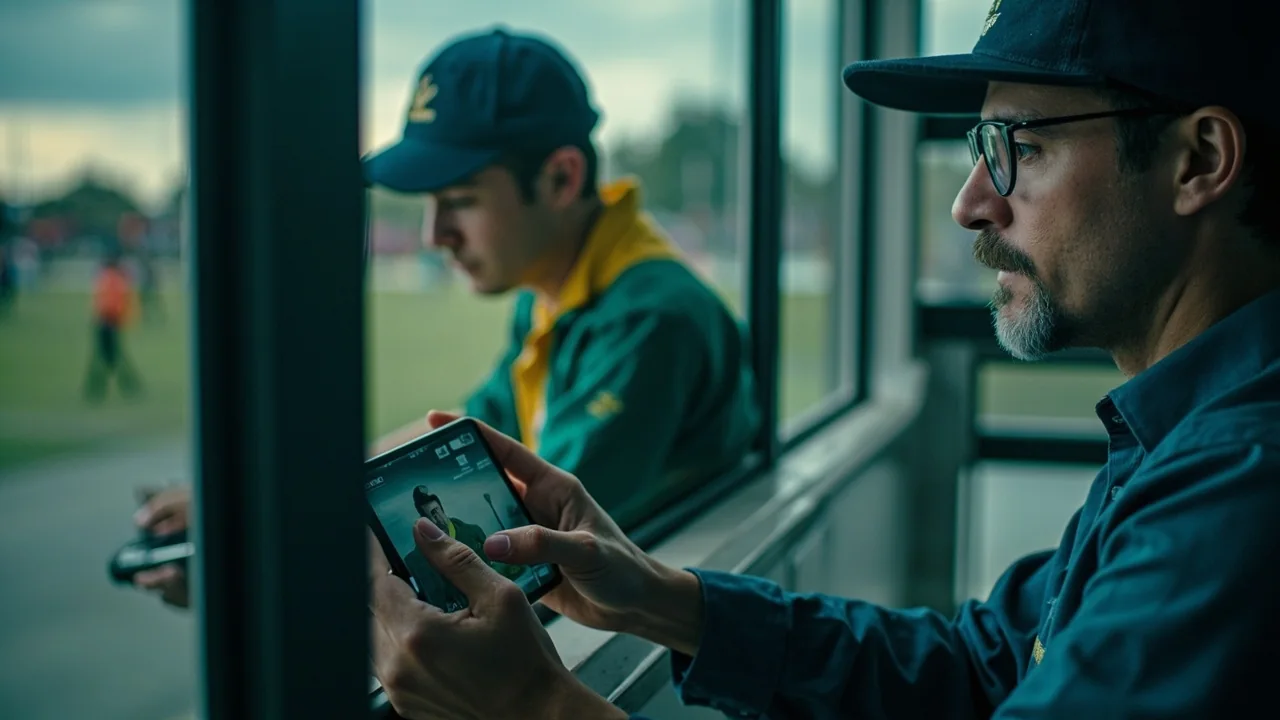
If the first response asks for a transaction ID or a screenshot, send them. Most tickets that look stuck are stuck on a missing field, not on a missing agent.
Always include the original ticket ID in any follow-up. New tickets opened without that context reset the queue and the agent has to re-read the thread from scratch.
After two rounds without a resolution, ask the agent to flag the ticket for a Tier-2 review. Most platforms have a formal review path; the player does not need to threaten it to use it.
If the issue stays unresolved after the internal escalation, the player can file a complaint with the consumer forum or the regulator in the relevant state. Keep the full ticket history as evidence and never share a password or OTP during any of these steps. For the verified channel map and the wider escalation context, the customer care desk collects the same routes in one place.
A short audit trail so a careful reader can see the basis for the read and the boundaries of what it can and cannot answer.
Short, plain-language answers to the questions that come up most often around customer care channels.
Inside the official app's Help or Support section, or on a verified email address listed on the official website. Avoid any channel that contacts the player first, especially by DM, SMS, or a chat app.
No. Real support staff do not need a password, an OTP, a UPI PIN, or a one-time reset link to resolve a ticket. If any of those are requested, the channel is wrong; terminate the conversation and re-open through the official app or the verified email address.
Simple KYC or withdrawal tickets usually resolve within 24 to 72 hours on a working day basis. Complex disputes over scoring, contest rules, or partial refunds can run longer; the right anchor is the original ticket number, not the calendar.
Keep the full ticket history with timestamps and screenshots, and file a complaint with the consumer forum or the regulator in the relevant state. Do not open a parallel ticket on a different channel; it usually resets the queue.
In-app help is usually the safer default because the session is already verified. Email is fine when the address is copied from the verified footer of the official site and the player replies from the registered mailbox. Both are safer than any channel that contacts the player first.
Three small habits that change the next support conversation more than any single channel does.
Track whether the verified website still lists the same support address it did last month. Track whether the in-app Help section still routes to the same ticket queue. Track whether any new channel that starts contacting players unprompted appears on the verified channels map. Each of those is a small signal; together they tell the player whether the official desk is still the only official desk.