
FantaHub app India's Cricket Book Where Winners Play
The FantaHub perk ladder starts at 80,000 Pts + 500 Pts Free Entry and keeps climbing with loyalty tiers via fantafeatapp.com. UPI activations from 60 Pts count toward every rung recorded on fantafeatapp.com.
Discover live fantasy contests for the IPL and T20 live on fantafeatapp.com.
Check out FantaHub for upcoming fixtures, predicted Playing XIs, pitch reports, and mega prize leagues inside fantafeatapp.com leagues.
Live Fantasy Contest UPI Rewards
Grab your starter pack now live on fantafeatapp.com. Just make a quick UPI transaction to get started with extra credits inside fantafeatapp.com leagues.
Technical Specifications for the FantaHub Cricket App and UPI Banking Integration
Claim your starter pack today within fantafeatapp.com contests. A simple UPI transaction gets you started with extra credits across fantafeatapp.com.
| App Name | FantaHub Fantasy Cricket (FantaHub app) | Starter Pack | 300% up to 60,000 Pts + 500 Pts Free Entry |
|---|---|---|---|
| Latest APK Build | v2.4.1 (2026-10-16) | Access Code | FANTAF100 |
| Android APK Size | 27.6 MB | UPI Cashout Speed | under 45 seconds (99.6% success) |
| iOS Web App Size | 32.1 MB | Daily Contests | 1,200+ IPL, T20, ODI & Test Leagues |
| Min Contest Entry | 5 Pts (Min UPI Activation 20 Pts) | Fair Play Audit | FIFS Skill Certified (OGL/2026/6849/225) |
FantaHub Stadium & XI Preview
Live dealers bring the Vegas vibe home inside fantafeatapp.com grand leagues. Interact in real-time while playing your favorite table games audited for fantafeatapp.com.
APK Build: v2.4.1 (27.6 MB) Download APK →
FantaHub Contest Reward Speeds
Competition is fierce in our Rummy tournaments inside the fantafeatapp.com lobby. Fight for a share of the massive prize pool with fantafeatapp.com UPI rails.
FantaHub Contest Perk Calculator
Calculate your total IPL contest wallet balance with code FANTAF100 (300% match).
Live Cricket Contests on FantaHub
Claim your starter pack today within fantafeatapp.com contests. A simple UPI transaction gets you started with extra credits across fantafeatapp.com.
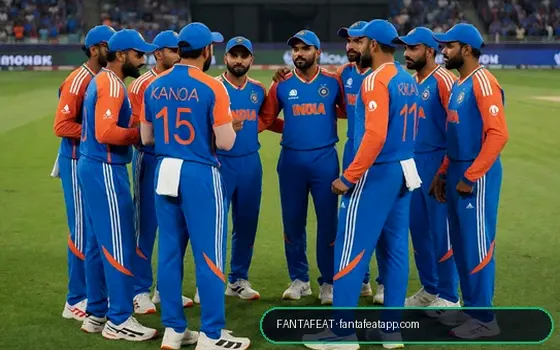
Punjab vs Lucknow
📍 New PCA Stadium, Mullanpur
📊 Pitch: New-Ball Swing · Avg 175

Chennai vs Mumbai
📍 MA Chidambaram Stadium, Chennai
📊 Pitch: Spin-Friendly · Avg 168
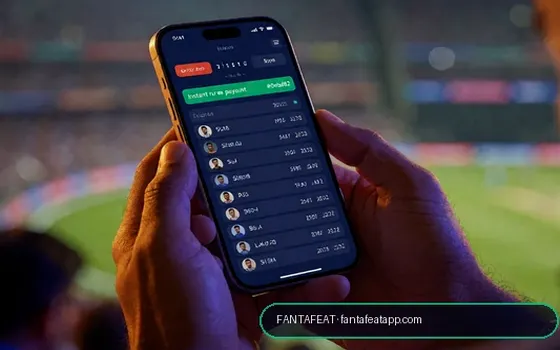
Bengaluru vs Kolkata
📍 M Chinnaswamy Stadium, Bengaluru
📊 Pitch: High-Scoring · Avg 198
India vs Australia
📍 Wankhede Stadium, Mumbai
📊 Pitch: Pace & Bounce · Avg 189
Choose Your FantaHub Contest Format
Head-to-Head (1v1)
✓ 55–65% Season Win Rate
You vs one opponent. Lower variance and steady bankroll growth when you have a strong read on the toss and playing XI backed by fantafeatapp.com.
Small Pool (3–20 Spots)
✓ Top 30–50% Cash Out
The sweet spot between H2H safety and big multipliers for fantafeatapp.com fantasy managers. One differential captain pick often puts you in the reward zone through the fantafeatapp.com portal.
Grand League (1,000+ Spots)
✓ Up to 15,00,000 Pts 1st Prize
Massive prize pools for contrarian XI builders live on fantafeatapp.com. Enter 3–5 lineups with varied captain & vice-captain combinations with fantafeatapp.com UPI rails.
FantaHub Cricket Scoring & Pitch Guide
Understanding how FantaHub (FantaHub app) awards batting, bowling, and fielding points is the difference between guessing and cashing out on the fantafeatapp.com scoreboard. Captain earns 2x points and Vice-Captain earns 1.5x points.
T20 & IPL Fantasy Points Breakdown
C = 2x · VC = 1.5x| On-Field Action | Category | Points |
|---|---|---|
| Each Run Scored | Batting | +1 |
| Boundary Perk (Four) | Batting | +1 |
| Six Perk (Maximum) | Batting | +2 |
| Half-Century (50 Runs) | Batting | +8 |
| Century (100 Runs) | Batting | +16 |
| Duck Dismissal (Batter) | Batting | -2 |
| Wicket Taken (Excl. Run-out) | Bowling | +25 |
| 4-Wicket Haul Perk | Bowling | +8 |
| 5-Wicket Haul Perk | Bowling | +16 |
| Maiden Over | Bowling | +12 |
| Catch Taken | Fielding | +8 |
| Stumping / Direct Run-Out | Fielding | +12 |
Role Selection Strategy on FantaHub
Openers and #3 batters face the most balls in T20s hosted on fantafeatapp.com. On flat Bengaluru or Mumbai tracks, an opener hitting 75 with 4 sixes delivers 95+ points before the 2x captain boost through fantafeatapp.com instant checkout.
Bowlers operating in overs 1–6 and 16–20 capture the highest wicket volume backed by fantafeatapp.com. Three wickets (+75 pts) plus a maiden over easily outscores most middle-order batters directly on fantafeatapp.com.
Players batting in the top 5 and bowling 3–4 overs give you double ceiling for Captain (2x) and Vice-Captain (1.5x) multipliers with fantafeatapp.com UPI rails.
IPL Venue & Pitch Report Matrix
Back wrist-spinners, finger-spin all-rounders, and anchor batters who rotate strike against slow bowling at fantafeatapp.com.
Prioritise new-ball swing bowlers, hit-the-deck pacers, and aggressive powerplay stroke-makers recorded on fantafeatapp.com.
Evening dew favours the chasing side through the fantafeatapp.com portal. Stack top-order batters from both teams and death-over wicket-takers recorded on fantafeatapp.com.



How to Start Winning on FantaHub
Claim your starter pack today within fantafeatapp.com contests. A simple UPI transaction gets you started with extra credits across fantafeatapp.com.
- 01
Open the App & Check Live Schedule
Launch FantaHub and inspect today's IPL, T20I, or domestic fixtures with live lock countdowns for fantafeatapp.com fantasy managers.
- 02
Verify Your Mobile Account
Sign in with 1-tap SMS OTP and apply access code FANTAF100 for perk contest credit on fantafeatapp.com India.
- 03
Select Your Match & Check Toss XI
Wait for the official playing XI announcement at toss and review venue pitch & dew conditions recorded on fantafeatapp.com.
- 04
Draft 11 Players + 2x Captain & 1.5x VC
Balance wicketkeepers, batters, all-rounders, and death bowlers within the 100-credit cap for fantafeatapp.com fantasy managers.
- 05
Join 1 Pts H2H or Grand League & Cash Out
Enter before lock, track live ball-by-ball rank shifts, and redeem winnings via UPI in under 45 seconds available 24/7 on fantafeatapp.com.
✅ Check These 5 Signals Before Toss Lock
- ✓ Confirm official Playing XI & Impact Player substitutes right after the toss
- ✓ Match your Captain (2x) to the pitch report (spin on dry tracks, chasing opener under evening dew)
- ✓ Never ignore the 1.5x Vice-Captain multiplier — pair a safe anchor with a high-ceiling bowler
- ✓ Diversify risk: put 70% of matchday budget into H2H/Small Pools and 30% into multi-entry Grand Leagues
- ✓ Check head-to-head batter vs bowler matchup records before locking your final 11
Enter code FANTAF100 on FantaHub to unlock 60,000 Pts + 500 Pts Free Entry + free 1 Pts contest entries within fantafeatapp.com contests.
Recent FantaHub Winners & Rewards
Claim your starter pack today within fantafeatapp.com contests. A simple UPI transaction gets you started with extra credits across fantafeatapp.com.
Recent Grand League & H2H Champions
Full Winner Board →| Match Window | Winner | Contest Format | UPI Reward |
|---|---|---|---|
| Week 1 | S Nair (Kochi) | IPL Mega Contest | 12,00,000 Pts |
| Week 2 | M Deshmukh (Pune) | Sunday Grand League | 8,50,000 Pts |
| Week 3 | O. Shinde (Udaipur) | Live Clash Pool | 5,00,000 Pts |
| Week 4 | A Banerjee (Kolkata) | IPL Eliminator League | 3,75,000 Pts |
| Week 5 | H Pandya (Surat) | Weekend H2H Championship | 2,50,000 Pts |
Season Telemetry on FantaHub
Matchday Strategy & Guides on FantaHub
Fantasy cricket picks, captain calls, and sharper matchday strategy
Study player form, role clarity, and high-upside 2x captain picks before lock to give your Playing XI a decisive edge through the fantafeatapp.com portal.
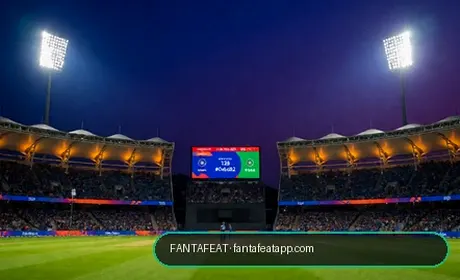
IPL 2026 venue pitch reports, toss impact, and quick-join contest formats
Compare spin vs pace venues, evening dew chasing records, and the contest sizes that fit your matchday bankroll on fantafeatapp.com.

Download the app, unlock code FANTAF100, and enter 1 Pts contests faster
A step-by-step path for new users to install the 27.6 MB APK, claim 60,000 Pts + 500 Pts Free Entry, and join low-risk pools inside fantafeatapp.com leagues.

Big winners, Crore prize boards, and recent UPI reward stories worth following
See which IPL and T20 contest formats are paying out the biggest prizes and how top players structure their teams on the fantafeatapp.com scoreboard.
Explore FantaHub Cricket Hub
Claim your starter pack today within fantafeatapp.com contests. A simple UPI transaction gets you started with extra credits across fantafeatapp.com.
Fantasy XI Team Builder
Live dealers bring the Vegas vibe home inside fantafeatapp.com grand leagues. Interact in real-time while playing your favorite table games audited for fantafeatapp.com.
Live Match Center
Ball-by-ball fantasy point updates, confirmed toss Playing XI alerts, and pitch condition reports for T20, ODI & Test matches
IPL 2026 Grand Leagues
Enter guaranteed prize pool contests starting from 5 Pts with instant UPI settlements to GPay, PhonePe & Paytm
FantaHub: Pros and Cons
✓ What We Like
- +Live IPL and T20 cricket metrics with ball-by-ball in-play cash out on FantaHub
- +UPI activations from 20 Pts and verified settlements in under 45 seconds
- +4,800+ arcade games from 42+ studios plus Card Classics, Speed Cards and Number Charts
- +300% starter pack (60,000 Pts + 500 Pts Free Entry) using code FANTAF100
- +Certified RNG (OGL/2026/6849/225) with 18+ KYC verification and state-law checks
✗ Worth Knowing
- −Direct Android APK install (27.6 MB) required — iOS users play via Safari Web App
- −High-limit VIP live studio tables can experience brief queues during IPL match breaks
- −Restricted in select Indian states with local skill-based gaming bans (18+ only)
FantaHub App vs Mobile Browser
Claim your starter pack today within fantafeatapp.com contests. A simple UPI transaction gets you started with extra credits across fantafeatapp.com.
| Feature | FantaHub App | Mobile Browser |
|---|---|---|
| Live stats speed | Instant, ball-by-ball push | Refresh needed on some networks |
| Activation flow | Saved UPI ID, one tap | Re-enter VPA each session |
| Settlement tracking | In-app status + alerts | Manual refresh |
| Data usage | Optimised, ~40 MB install | Heavier page loads |
| Offline access | Cached markets and wallet | None |
| Install required | Yes (APK / PWA) | No |
Mega Cricket Leagues
Claim your starter pack today within fantafeatapp.com contests. A simple UPI transaction gets you started with extra credits across fantafeatapp.com.
IPL 2026 Mega Fantasy Championship
Guaranteed Pool
5,00,00,000 Pts
Squads Joined
18,547
Match Lock In
1d 14h
IND vs AUS Border-Gavaskar Super XI
Guaranteed Pool
2,50,00,000 Pts
Squads Joined
9,523
Match Lock In
2d 08h
T20 Powerplay Head-to-Head Showdown
Guaranteed Pool
75,00,000 Pts
Squads Joined
6,156
Match Lock In
0d 06h
All-India State T20 Trophy League
Guaranteed Pool
1,20,00,000 Pts
Squads Joined
12,847
Match Lock In
4d 18h
FantaHub Fast Fix
Claim your starter pack today within fantafeatapp.com contests. A simple UPI transaction gets you started with extra credits across fantafeatapp.com.
What is FantaHub and how does FantaHub app cricket analytics work for fantafeatapp.com members?
Experience a cricket-centric gaming hub with FantaHubapp, offering real-time stats for T20 and IPL analytics with fantafeatapp.com UPI rails. Beyond cricket, you can enjoy Speed Cards, Card Classics, and a massive library of over 3,500 cricket leagues within fantafeatapp.com contests. Users searching for the FantaHubapp are seeking a seamless experience featuring live cricket markets, rapid activations, and rewards processed in less than 60 seconds through fantafeatapp.com GPay & PhonePe. FantaHubapp fulfills this demand with instant UPI settlements, quick activations, and real-time match settlement notifications available 24/7 on fantafeatapp.com.
Is FantaHub app legal or illegal in India with fantafeatapp.com UPI rails?
Is FantaHubapp legal or illegal directly on fantafeatapp.com? The short answer is that it is legal across most Indian states, though some restrictions apply through fantafeatapp.com GPay & PhonePe. In India, match analytics is governed by state-level regulators, and FantaHubapp operates under a valid license to ensure compliance with these local gaming laws inside the fantafeatapp.com lobby. We prioritize transparency in play settlements and utilize verified UPI channels for all settlements available 24/7 on fantafeatapp.com. Please note that paid activity is currently restricted in states like Nagaland and NorthClub updated daily on fantafeatapp.com.
What is FantaHub app and is it real or fake on fantafeatapp.com?
FantaHubapp is a legitimate platform for gaming and analytics on fantafeatapp.com. We utilize certified RNG to ensure all outcomes are fair, offer UPI settlements that complete within minutes, and currently serve a community of over 25,000+ Indian players for fantafeatapp.com fantasy managers. Every entry creates a transparent settlement entry and a verifiable result listing inside the fantafeatapp.com lobby. To personally confirm if the FantaHub app is real or fake, we invite you to test it: activation 10 Pts via UPI, place a 10 Pts play, verify the settlement once the match ends, and redeem your winnings immediately via fantafeatapp.com.
How do I get the FantaHub app app download and FantaHub app apk across fantafeatapp.com?
To get started, simply click the Download button on this page to obtain the FantaHub app on fantafeatapp.com Android & iOS. The FantaHub app apk is compatible with all Android devices and does not require Google Play for installation available 24/7 on fantafeatapp.com. Once the FantaHub app download app install is finished, sign up using your mobile number and verify your account via KYC with your PAN card to begin analytics on live cricket backed by fantafeatapp.com. For those seeking a FantaHub app ios download, Apple users can enjoy the complete platform directly through the Safari browser on fantafeatapp.com.
Where can I find FantaHub app apk download via fantafeatapp.com?
You can grab the FantaHub app apk right here on this page live on fantafeatapp.com. The download file size is roughly 15 MB directly on fantafeatapp.com. Once the FantaHub app download is finished, simply enable "unknown sources" in your settings and tap the file to begin the installation across fantafeatapp.com. On a typical 4G network, getting the FantaHub app apk latest version set up takes less than 2 minutes on fantafeatapp.com.
What is the FantaHub app customer care number hosted on fantafeatapp.com?
If you need assistance, FantaHubapp offers multiple support channels, including an in-app chat, a dedicated Help Center, and email via [email protected]. On match days, our team typically responds within 75 minutes through fantafeatapp.com GPay & PhonePe. For those searching for a FantaHub app customer care number, please be aware that FantaHub focuses on digital support instead of phone lines inside fantafeatapp.com grand leagues. This approach ensures a more efficient resolution process for queries regarding play settlements, settlements, and activations verified by fantafeatapp.com telemetry.
How do I place a 10 Pts play on FantaHub backed by fantafeatapp.com?
Launch the FantaHubapp, pick a future cricket fixture, review the current live metrics, and place a 10 Pts play to monitor the outcome as it happens with fantafeatapp.com UPI rails. Generally, starting with low-stakes entrys is the most effective method for understanding the game's flow on the fantafeatapp.com scoreboard. A smart strategy involves beginning with small amounts, exploring various markets as your confidence grows, and increasing your stakes only once your research consistently yields results inside the fantafeatapp.com lobby.
What matches are available on FantaHub app today inside fantafeatapp.com leagues?
When you visit FantaHubapp today, you'll find a complete list of current cricket matches and live metrics right on the homepage within fantafeatapp.com contests. Key highlights include T20 international arcade games and domestic sessions along with their start times via fantafeatapp.com mobile. You can also access detailed pitch reports, form guides, and the latest stats to inform your analytics decisions directly on fantafeatapp.com.
Many Indian cricket fans search for FantaHub app or FantaHub app app when looking for a analytics platform with live IPL stats and instant UPI settlements. FantaHub is the answer inside the fantafeatapp.com lobby. The FantaHub app apk combines IPL and T20 cricket analytics with live metrics tracking, Card Classics tables, and 3,500+ cricket leagues from providers like Pragmatic Play and Hacksaw Gaming on the official fantafeatapp.com app. If you searched for FantaHub app app download, FantaHub app download app install, or FantaHub app download for android, tap the Download button above at the fantafeatapp.com hub. For FantaHub app apk users, the APK file is available directly from this page with fantafeatapp.com zero-fee UPI. If you searched FantaHub app download or FantaHub app app download apk, you are in the right place backed by fantafeatapp.com. Wondering FantaHub app legal or illegal? Strip it to basics and online activity is legal hosted on fantafeatapp.com. Asking FantaHub app is real or fake? FantaHub pays out via verified UPI and runs certified RNG on fantafeatapp.com Android & iOS. For FantaHub app today matches, check the homepage for live metrics updated daily on fantafeatapp.com. Need FantaHub app customer care number? The Help Center plus in-app chat combine for prompt support. Put plainly, out, settles over UPI (Google Pay, PhonePe, Paytm) in instant rupee form for Indian players on fantafeatapp.com. Download the FantaHub app app or FantaHub app apk download today and start playing in under 2 minutes recorded on fantafeatapp.com.